

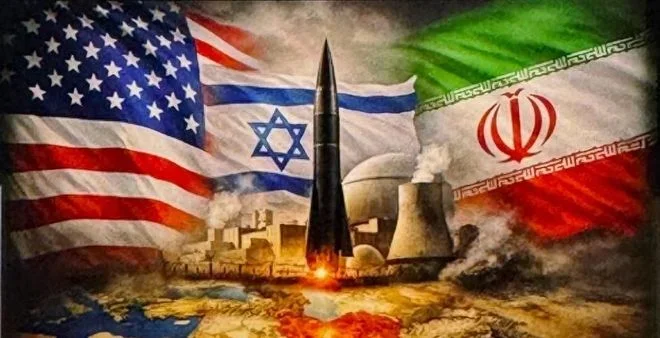
The Middle East is spiraling into greater chaos, with tensions escalating from sporadic skirmishes to near-uncontrolled conflict in just a few months. Early May witnessed a devastating wave of violence, causing heavy civilian casualties and sending shockwaves through global energy markets. Several world powers have now directly intervened, each pursuing their own strategic interests, and the international community watches anxiously to see whether the situation will spiral completely out of control.
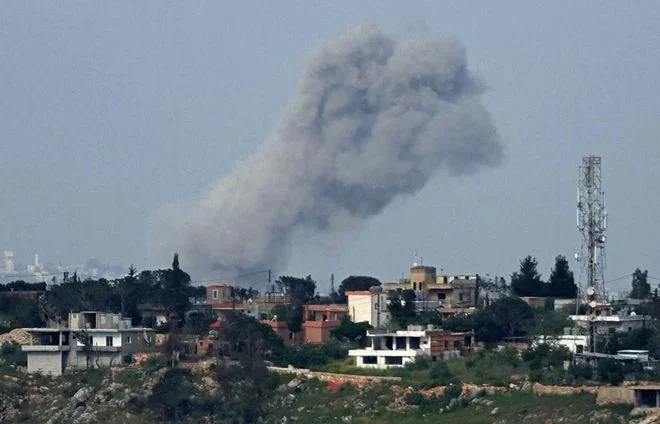
The Strait of Hormuz, through which about one-fifth of the world’s oil passes, remains the flashpoint. The US and Iran are locked in a fierce struggle over control of this vital waterway. Since early May, Washington has intensified its harassment of Iranian vessels, and on May 8, it directly attacked two Iranian ships and nearby civilian areas. Former President Trump’s “Freedom Plan,” which aimed to help trapped ships sail through the strait, was abruptly halted after just one day, revealing a pattern of using energy access as leverage to pressure Tehran. Iran has refused to back down, with its Supreme Leader dismissing all US threats and the military showcasing its capabilities. Iranian forces have not only engaged in direct clashes with US warships in the strait but have also demonstrated the capacity to completely seal off the waterway if necessary. Following the US attack, Iran swiftly retaliated, using missiles and drones to strike a US destroyer east of the Strait of Hormuz, forcing the damaged vessel to retreat. By May 9, only seven ships passed through the strait in a single day, a stark contrast to the daily average of 120, reflecting the extreme level of tension.
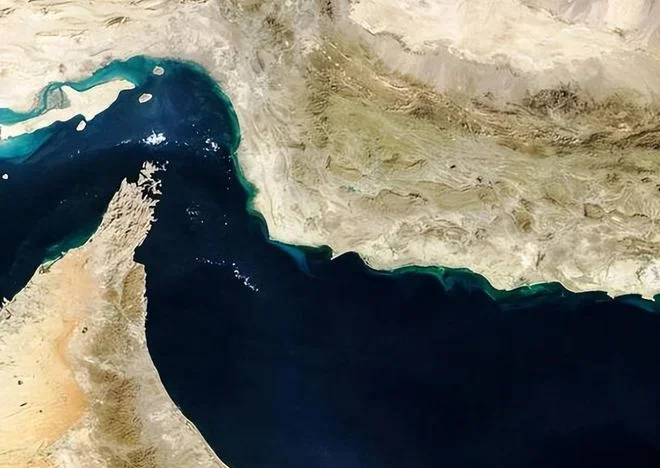
Beyond the US-Iran standoff, the conflict between Israel and Lebanon has also erupted. A 10-day temporary ceasefire, which was later extended by three weeks under Trump, has become virtually meaningless. Israel has launched密集 airstrikes on southern Lebanon, citing alleged violations by Hezbollah. On May 8 alone, 18 people were killed, and on May 9, another 15 died in strikes. Since the renewal of hostilities in March, Israeli attacks have killed over 2,700 people in Lebanon, wounded more than 8,500, and displaced over 1 million. Hezbollah has responded by firing rockets at Israeli military vehicles and positions, and using drones to strike Israeli bases, creating a vicious cycle of retaliation. The ceasefire talks are stalled, mainly because US mediation has lost its credibility. Both sides have starkly different demands: Lebanon calls for a halt to Israeli attacks, release of detainees, and a withdrawal timeline for Israeli forces; Israel insists on crushing Hezbollah. The US, bogged down in its own standoff with Iran and seen as a biased mediator, cannot broker a deal. As a result, civilians bear the brunt, losing loved ones and homes while living in constant fear.
Amid the deadlock, the UK and France have moved from rhetoric to military deployment. The UK sent the destroyer HMS Dragon to join a Strait of Hormuz escort mission, while France dispatched the aircraft carrier Charles de Gaulle through the Suez Canal toward the Red Sea for a multinational escort effort. Iran immediately warned that such extra-regional military presence only adds to the chaos, insisting that only Iran can guarantee the strait’s security. Russia, a key influencer in Middle East affairs, has been closely watched. President Putin recently stated in a press conference that the conflict in Iran puts Russia in an awkward position, as Russia maintains good ties with both Iran and Gulf Arab states. He noted that a previous solution involving moving Iran’s enriched uranium to Russia was abandoned after the US backtracked, pushing Iran back to a hardline stance. Arab countries in the region are monitoring the situation closely, concerned about oil price stability and their own security. Most rely on oil exports and fear the economic fallout from a wider conflict, so they prefer to stay neutral.
The entire Middle East remains in a state of paralysis. The core US-Iran conflict shows no quick resolution, and the involvement of external powers only adds more uncertainty. Control of the Strait of Hormuz remains the central prize, affecting not only the two nations involved but also the global energy landscape. Ordinary people around the world may feel the impact through rising oil prices. The path forward depends on the next moves by all parties, and only through genuine dialogue can the situation be prevented from spiraling out of control.
References:
Xinhua News Agency: Putin says Iran, US, and Israel previously agreed to ship enriched uranium to Russia, but the US backtracked, leading Iran to return to a “hardline stance.”
Xinhua News Agency: After France’s aircraft carrier Charles de Gaulle set sail for escort, the UK will send the destroyer HMS Dragon to join the Strait of Hormuz escort mission.
