


The International Cricket Council (ICC) employs a rating system to assess the quality of pitches and outfields following every Test match, one-day international, and T20 international. The pitch refers to the rectangular central strip of the cricket field between the two wickets, while the outfield encompasses the surrounding area. For all international matches, the ICC evaluates pitches and outfields, categorizing them on a scale from “very good” to “unfit,” based on the match referee’s observations.
After a match concludes, the referee compiles a report analyzing factors such as bounce, ball movement, and pitch deterioration. This determines whether a pitch is:
– Very good
– Satisfactory
– Unsatisfactory
– Unfit
The match referee also grades the outfield’s condition as satisfactory, unsatisfactory, or unfit.
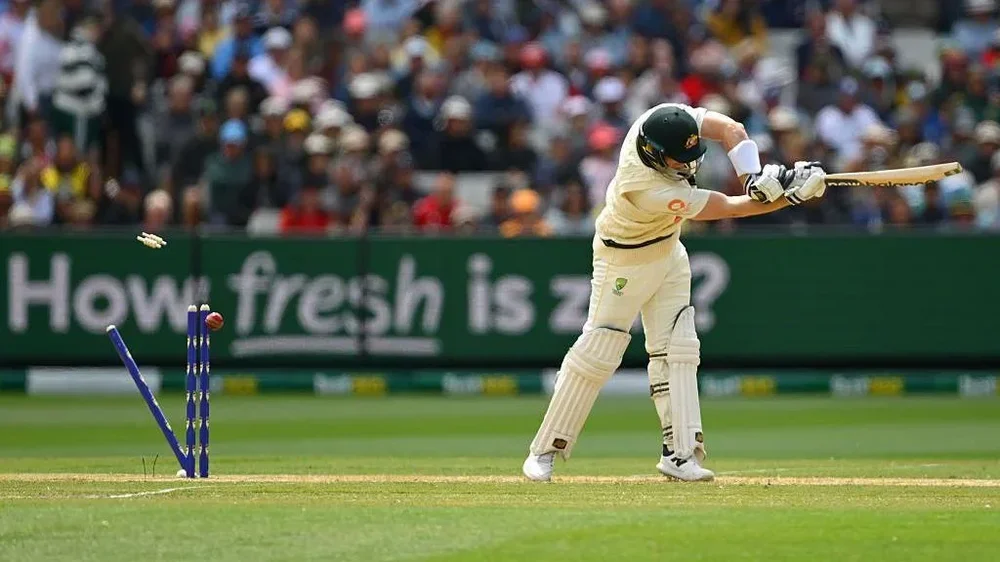
A “very good” Test pitch is expected to feature good carry, minimal seam movement, consistent bounce, and an acceptable level of turn early in the game, while also demonstrating natural wear over time. A “satisfactory” pitch may show varying carry, bounce, or spin throughout the Test.
However, if a pitch fails to provide an even contest between bat and ball—either excessively favoring batters or disproportionately supporting bowlers—it is deemed “unsatisfactory.” A pitch that compromises player safety due to dangerous conditions is graded as “unfit.”
Regarding outfields, the ICC states that a satisfactory outfield should be well-grassed and even, offering occasional variable bounce, medium pace, and adequate drainage. An unsatisfactory outfield features excessive bare patches, irregular bounce, slow pace, and poor drainage. If the surface risks the safety of bowlers or fielders, it is graded as unfit.
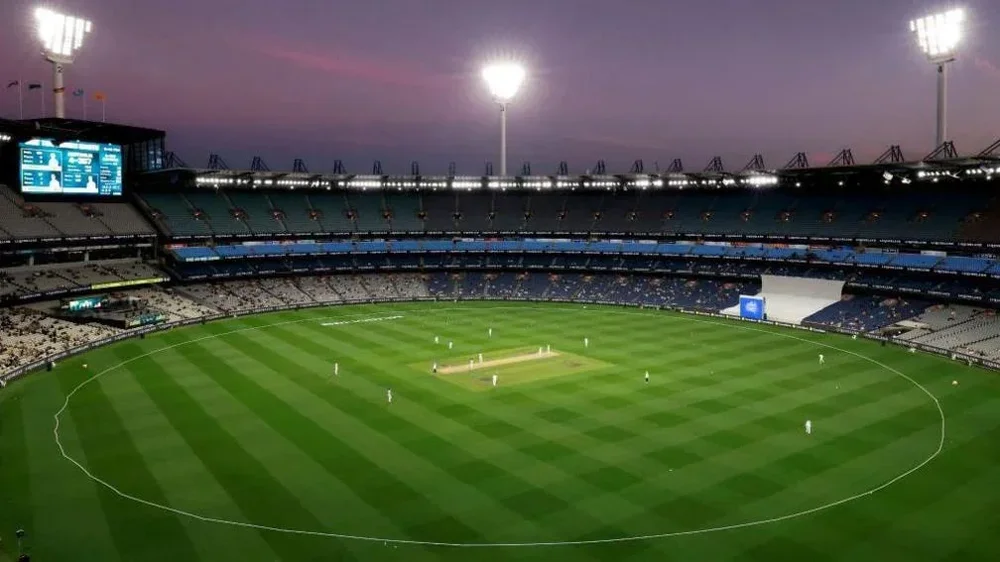
Venues with an unsatisfactory pitch or outfield receive one demerit point. An unfit pitch or outfield carries the most severe penalty of three demerit points. If a venue accumulates six demerit points over a five-year period, it is suspended from hosting international cricket for 12 months. Locations that reach 12 demerit points within five years face a two-year suspension of match-hosting rights. When both the pitch and outfield in the same match are rated unsatisfactory or unfit, the higher number of demerit points is applied.
Since the grading system was simplified in November 2023, no Test pitch has been graded unfit. However, the pitch from the two-day Ashes Test in Melbourne in December 2025 received an “unsatisfactory” rating.
The ICC introduced these ratings to protect players and promote a fair contest between bat and ball in Test matches. The pitch standard significantly influences game outcomes—spin-friendly wickets may favor one team, while seam-friendly surfaces can aid sides with faster bowlers. The ICC emphasizes that a Test pitch should allow players to demonstrate all individual skills throughout the match and “should slightly favor the bowling team.” An exemplary pitch is expected to deteriorate as the match progresses, with bounce becoming more inconsistent and ball deviation increasing off the worn surface.
